




Crane construction, shipping, and many other industrial applications that involve heavy lifting with precise handling cannot do without them. Continuous functionality and safety are necessary, requiring regular inspections and timely replacement of worn-out parts. The lack of these signs can be expensive in terms of lost time, accidents, and equipment failure. Here's a quick checklist of common signs your crane parts need to be replaced.

Unusual sounds, such as grinding, squealing, or rattling, are typically a sign that certain components of the crane are worn or damaged. Most of these sounds emanate from:
If neglected, this can result in more serious mechanical issues. Lubrication and replacement of parts prevent this.
Visible signs of wear and tear can be observed with routine visual inspections on the following:
All apparent damage should be rectified immediately to avoid failure during operation or accidents.
Performance is one sure sign of the health of a crane. When a crane has trouble lifting within its ability, then problems are present in one of the following areas:
The reduction in performance demands that immediate action be taken to avoid overloading and breakage.
Electrical faults are common in cranes, especially those with outdated or worn-out parts. Watch out for the following:
Replacing damaged electrical parts guarantee smooth operations and less likelihood of electrical fires.
When the crane vibrates excessively during operation, this indicates misalignment or wear in parts such as:
These vibrations not only affect the efficiency of the crane but may also cause damage to adjacent parts if left unchecked.
Overheating is a clear indication that a part is overworked or malfunctioning. Observe:
Overheating can lead to catastrophic failure if not addressed on time.
The braking system is the essence of crane operations safety and accuracy. Signs of faulty brakes include:
Replacement of worn brake pads or faulty brake parts can be an avenue to prevent accidents and ensure safety in operations.
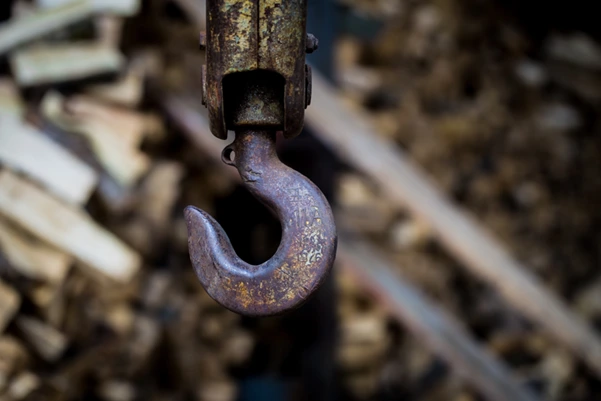
Crane components in most cases expose themselves to harsh environments causing rust, corrosion. Most inspect:
There shall be regular checking on most of the equipment that the corroded part must immediately be replaced.
If hydraulic fluid is leaking affects the performance as well the safety of a crane there is need for one inspecting on these conditions through:
Leaks are usually a sign of worn seals or damaged hoses that need to be replaced.
The standards and safety regulations of the industry change with time. Using obsolete or non-conforming parts can lead to operational inefficiencies and legal complications. Always make sure your crane parts are updated according to the latest standards.
To ensure your crane operates safely and efficiently:

HL Equipment is one of the top high-class crane parts suppliers in the Asia Pacific region. With so many years of experience with a wide range in its inventory, you will most likely find the right part that best serves your needs. Here's why choose them:
Regular maintenance and timely replacement of worn-out parts are the key to ensuring your crane is running smoothly and safely. Being vigilant and using this checklist will help you extend the lifespan of your equipment and reduce operational risks. For reliable crane parts supplier, trust HL Equipment to keep your cranes in top-notch condition.
1. Noises During Operation
Unusual sounds, such as grinding, squealing, or rattling, are typically a sign that certain components of the crane are worn or damaged. Most of these sounds emanate from:
- Bearings
- Gears
- Brake systems
If neglected, this can result in more serious mechanical issues. Lubrication and replacement of parts prevent this.
2. Visible Wear and Tear
Visible signs of wear and tear can be observed with routine visual inspections on the following:
- Wire Ropes: Fraying, kinking, or corrosion
- Hooks: Deformation or surface cracks
- Chains: Stretching or rusting
All apparent damage should be rectified immediately to avoid failure during operation or accidents.
3. Poor Lifting Ability
Performance is one sure sign of the health of a crane. When a crane has trouble lifting within its ability, then problems are present in one of the following areas:
- Hydraulic systems
- Motors
- Load bearing components
The reduction in performance demands that immediate action be taken to avoid overloading and breakage.
4. Constant Electrical Faults
Electrical faults are common in cranes, especially those with outdated or worn-out parts. Watch out for the following:
- Intermittent power cuts
- Faulty controls
- Burnt wiring
Replacing damaged electrical parts guarantee smooth operations and less likelihood of electrical fires.
5. Unusual Vibrations
When the crane vibrates excessively during operation, this indicates misalignment or wear in parts such as:
- Bearings
- Gearboxes
- Shafts
These vibrations not only affect the efficiency of the crane but may also cause damage to adjacent parts if left unchecked.
6. Overheating Components
Overheating is a clear indication that a part is overworked or malfunctioning. Observe:
- Motors
- Braking systems
- Hydraulic pumps
Overheating can lead to catastrophic failure if not addressed on time.
7. Uneven Brake Performance
The braking system is the essence of crane operations safety and accuracy. Signs of faulty brakes include:
- Delayed stopping
- Spongy or nonresponsive brakes
- Grinding noises during braking
Replacement of worn brake pads or faulty brake parts can be an avenue to prevent accidents and ensure safety in operations.
8. Rust and Corrosion
Crane components in most cases expose themselves to harsh environments causing rust, corrosion. Most inspect:
- Wire ropes
- Metallic joints
- Bolts and nuts
There shall be regular checking on most of the equipment that the corroded part must immediately be replaced.
9. Hydraulic Fluid Leaks
If hydraulic fluid is leaking affects the performance as well the safety of a crane there is need for one inspecting on these conditions through:
- Puddles lying under the equipment.
- Fluid's low levels.
- Coloured hydraulic fluid.
Leaks are usually a sign of worn seals or damaged hoses that need to be replaced.
10. Obsolete or Non-Conforming Parts
The standards and safety regulations of the industry change with time. Using obsolete or non-conforming parts can lead to operational inefficiencies and legal complications. Always make sure your crane parts are updated according to the latest standards.
How to Address These Issues
To ensure your crane operates safely and efficiently:
- Routine Inspections: Regular inspections will identify and address problems early.
- Invest in Quality Replacement Parts: High-quality parts should be sourced from reputable suppliers like HL Equipment.
- Train Your Team: Ensure that your operators and maintenance crew are trained to recognize signs of wear and handle replacements properly.
Why Choose HL Equipment for Crane Parts?
HL Equipment is one of the top high-class crane parts suppliers in the Asia Pacific region. With so many years of experience with a wide range in its inventory, you will most likely find the right part that best serves your needs. Here's why choose them:
- Crane Parts Range
- Professional advice and support
- Delivering fast to minimize downtime
Regular maintenance and timely replacement of worn-out parts are the key to ensuring your crane is running smoothly and safely. Being vigilant and using this checklist will help you extend the lifespan of your equipment and reduce operational risks. For reliable crane parts supplier, trust HL Equipment to keep your cranes in top-notch condition.


