




When a crane fails during a lift, investigators do not ask whether it was maintained. They ask for proof. Which part failed? When was it last replaced? Was it an OEM-grade component from a verified supplier, or an aftermarket substitute? Without documented answers, liability sits entirely with the operator, and the crane stays grounded until every question has been answered.
That is the operational reality behind crane part replacement documentation. It is not administrative overhead. It is your defence file.
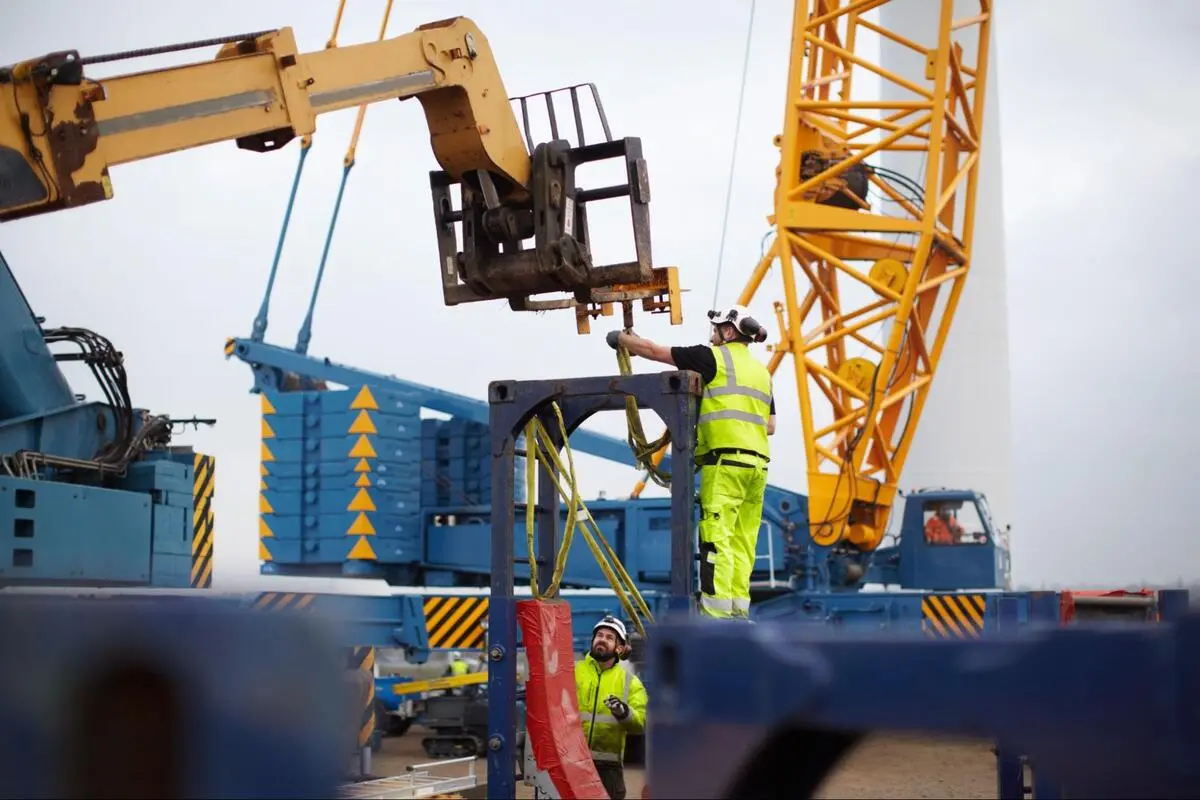
Lifting equipment regulations share one requirement across jurisdictions: documented evidence that maintenance has been performed by qualified personnel, using components that meet the crane manufacturer's approved specification. Whether a fleet operates under OSHA 29 CFR 1926 in the United States, EN 13000 in Europe, or local frameworks across Asia and the Middle East, the audit process follows the same logic. Inspectors do not rely on verbal assurances. They examine the records.
The OEM part number on those records carries legal weight. Regulatory bodies routinely cross-reference replacement components against the manufacturer's approved parts list. A crane running non-OEM boom hoist components may pass a visual inspection but fail a documentation audit if the replacement falls outside the approved specification. Sourcing OEM-grade parts from verified suppliers for Kato, Grove, Tadano, Hitachi, or Kobelco units, and keeping the corresponding certificates on file, removes that exposure before it becomes a problem.
A complete service log converts reactive maintenance into scheduled maintenance. When a technician opens the log for a Kato KR-25H and sees that the hydraulic cylinder seals were last replaced at 3,200 operating hours, they know the next service window before any symptoms appear. Without that log, the seal failure becomes the notification.
This matters most for components that degrade internally. Slewing bearings, hydraulic pump seals, and wire rope assemblies all wear at predictable rates, but only if you are tracking operating hours and replacement dates. Documented intervals allow maintenance teams to plan parts procurement, reduce emergency orders, and schedule downtime on their own terms rather than the equipment's.
ISO 9927, the international standard for crane inspections, establishes the documentation baseline that most national frameworks build on. Under ISO 9927 and its regional equivalents, operators are required to maintain records proving maintenance has been performed at the intervals the manufacturer specifies. When auditors arrive, whether for routine recertification or an incident investigation, incomplete records carry the same consequence as skipped maintenance: they are treated as evidence that required work cannot be confirmed.
A per-crane documentation folder, updated at every service event and filed by date, component, and OEM part number, covers most audit requirements across frameworks. When an inspector requests the service history on a Tadano GT-600EX, the folder answers the question. The audit moves forward.
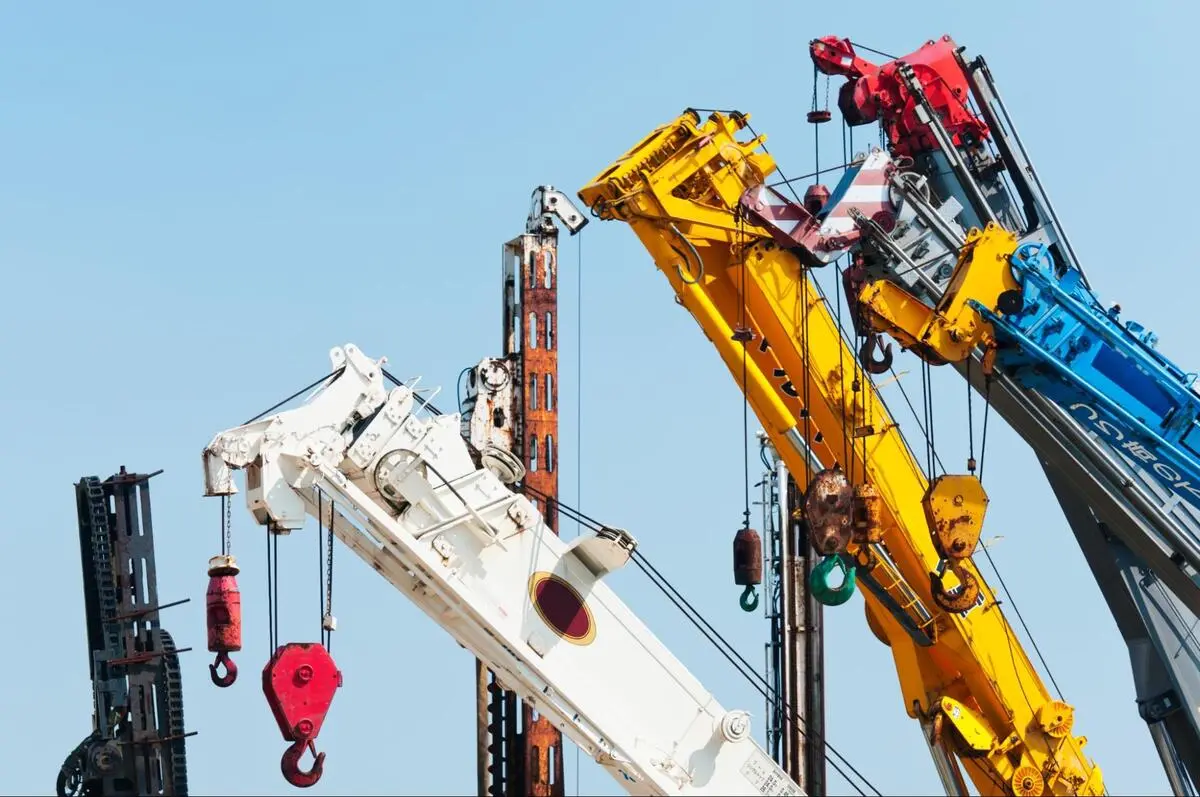
Documentation turns isolated failure events into data. If a Grove GMK5130 has had its main hydraulic pump replaced twice in fourteen months, two events without records look like bad luck. Two events with service records attached point to a pattern: contaminated hydraulic fluid, an incorrect viscosity specification applied at the workshop level, or a recurring installation error on the suction line.
Without documentation, the third pump failure looks identical to the first. With it, there is enough information to identify and correct the root cause before it costs another pump and another week of downtime. Records do not just prove that maintenance happened. They make maintenance improvable over time.
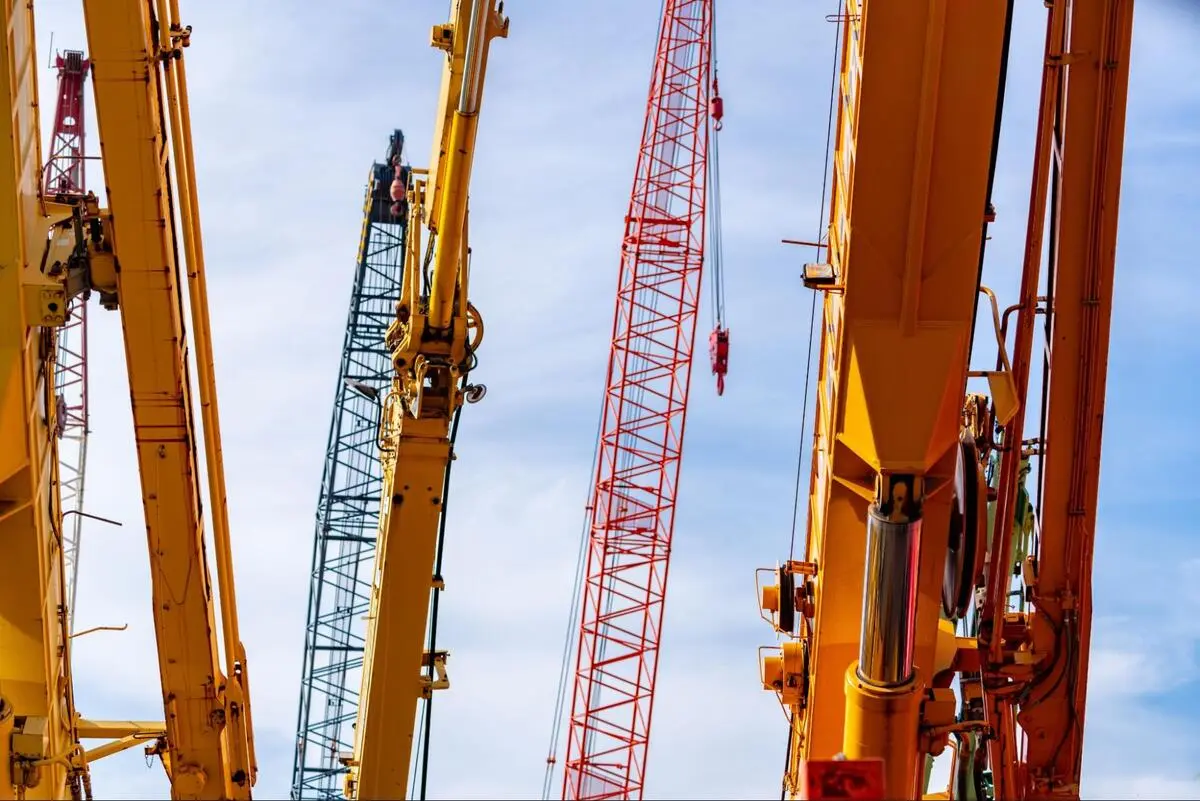
A used crane with a complete, verified service history sells faster and at a higher price across every major secondary equipment market. Buyers treat documentation gaps the same way a bank treats missing financial statements: as a risk to price into the offer. In competitive markets for Kobelco crawler cranes, Sumitomo lattice booms, or P&H units, a documented machine with OEM part records commands a measurable premium over an undocumented equivalent of the same age and operating hours.
For operators sourcing replacement parts rather than whole machines, documented sourcing carries the same value. Knowing that a boom cylinder came from a verified OEM-grade supplier, with the part certificate and compatibility data on file, gives procurement managers something concrete to show their safety officer, their insurer, and their auditor. That paper trail travels with the part and remains in the service records long after installation.
The strongest maintenance programmes treat documentation as a step in the work order, not a report compiled afterwards. Every part replacement generates a record at installation: OEM part number, crane serial number, date, operating hours, and the technician who performed the work. That record is filed immediately, not reconstructed from memory when an audit request arrives three weeks later.
At HL Equipment, every crane spare part we supply comes with full product documentation: manufacturer certificates, OEM part numbers, and compatibility data matched to your specific crane model and serial number. That documentation integrates directly into your existing service records without requiring additional verification. Wherever your crane operates and whichever regulatory framework governs it, the parts you source from us arrive audit-ready.
That is the operational reality behind crane part replacement documentation. It is not administrative overhead. It is your defence file.
Why Documentation Supports Crane Safety Compliance
Lifting equipment regulations share one requirement across jurisdictions: documented evidence that maintenance has been performed by qualified personnel, using components that meet the crane manufacturer's approved specification. Whether a fleet operates under OSHA 29 CFR 1926 in the United States, EN 13000 in Europe, or local frameworks across Asia and the Middle East, the audit process follows the same logic. Inspectors do not rely on verbal assurances. They examine the records.
The OEM part number on those records carries legal weight. Regulatory bodies routinely cross-reference replacement components against the manufacturer's approved parts list. A crane running non-OEM boom hoist components may pass a visual inspection but fail a documentation audit if the replacement falls outside the approved specification. Sourcing OEM-grade parts from verified suppliers for Kato, Grove, Tadano, Hitachi, or Kobelco units, and keeping the corresponding certificates on file, removes that exposure before it becomes a problem.
Improving Maintenance Efficiency Through Documentation
A complete service log converts reactive maintenance into scheduled maintenance. When a technician opens the log for a Kato KR-25H and sees that the hydraulic cylinder seals were last replaced at 3,200 operating hours, they know the next service window before any symptoms appear. Without that log, the seal failure becomes the notification.
This matters most for components that degrade internally. Slewing bearings, hydraulic pump seals, and wire rope assemblies all wear at predictable rates, but only if you are tracking operating hours and replacement dates. Documented intervals allow maintenance teams to plan parts procurement, reduce emergency orders, and schedule downtime on their own terms rather than the equipment's.
Supporting Regulatory and Audit Requirements
ISO 9927, the international standard for crane inspections, establishes the documentation baseline that most national frameworks build on. Under ISO 9927 and its regional equivalents, operators are required to maintain records proving maintenance has been performed at the intervals the manufacturer specifies. When auditors arrive, whether for routine recertification or an incident investigation, incomplete records carry the same consequence as skipped maintenance: they are treated as evidence that required work cannot be confirmed.
A per-crane documentation folder, updated at every service event and filed by date, component, and OEM part number, covers most audit requirements across frameworks. When an inspector requests the service history on a Tadano GT-600EX, the folder answers the question. The audit moves forward.
Key Benefits of Maintaining Detailed Records
- Align replacement intervals with ISO 9927 and manufacturer-specified service schedules
- Support warranty claims with verifiable OEM part numbers and installation dates
- Reduce unplanned downtime by identifying component wear patterns before failure occurs
- Pass certification audits across different national regulatory frameworks without delays
- Increase crane resale value with a complete, independently verifiable service history
Essential Documentation Types for Crane Operations
| Documentation Type | Purpose | Frequency | Required By | Benefits |
|---|---|---|---|---|
| Part Replacement Records | Track all replaced components | After repair | Regulatory | Ensures compliance |
| Crane Maintenance Logs | Record routine servicing | Scheduled | Internal policy | Prevents equipment failure |
| Inspection Reports | Document safety checks | Regular | Safety audits | Improves safety compliance |
| Repair Invoices | Show proof of work performed | Upon repair | Auditors | Supports audit requirements |
| Component Warranty Files | Keep warranty details | As needed | Manufacturer | Facilitates claims process |
Preventing Equipment Failure and Unplanned Downtime
Documentation turns isolated failure events into data. If a Grove GMK5130 has had its main hydraulic pump replaced twice in fourteen months, two events without records look like bad luck. Two events with service records attached point to a pattern: contaminated hydraulic fluid, an incorrect viscosity specification applied at the workshop level, or a recurring installation error on the suction line.
Without documentation, the third pump failure looks identical to the first. With it, there is enough information to identify and correct the root cause before it costs another pump and another week of downtime. Records do not just prove that maintenance happened. They make maintenance improvable over time.
Increasing Resale Value and Customer Confidence
A used crane with a complete, verified service history sells faster and at a higher price across every major secondary equipment market. Buyers treat documentation gaps the same way a bank treats missing financial statements: as a risk to price into the offer. In competitive markets for Kobelco crawler cranes, Sumitomo lattice booms, or P&H units, a documented machine with OEM part records commands a measurable premium over an undocumented equivalent of the same age and operating hours.
For operators sourcing replacement parts rather than whole machines, documented sourcing carries the same value. Knowing that a boom cylinder came from a verified OEM-grade supplier, with the part certificate and compatibility data on file, gives procurement managers something concrete to show their safety officer, their insurer, and their auditor. That paper trail travels with the part and remains in the service records long after installation.
Making Documentation a Standard, Not an Afterthought
The strongest maintenance programmes treat documentation as a step in the work order, not a report compiled afterwards. Every part replacement generates a record at installation: OEM part number, crane serial number, date, operating hours, and the technician who performed the work. That record is filed immediately, not reconstructed from memory when an audit request arrives three weeks later.
At HL Equipment, every crane spare part we supply comes with full product documentation: manufacturer certificates, OEM part numbers, and compatibility data matched to your specific crane model and serial number. That documentation integrates directly into your existing service records without requiring additional verification. Wherever your crane operates and whichever regulatory framework governs it, the parts you source from us arrive audit-ready.


